Builders and contractors work in fast-moving environments where safety, access control, and site organisation must be managed properly from the start. Whether the project involves residential construction, commercial development, civil works, demolition, or maintenance, a secure temporary fencing setup helps protect workers, visitors, materials, equipment, and the public.
A clear checklist can make the planning process easier. Instead of treating fencing as a last-minute requirement, contractors should view it as part of responsible site preparation and risk management.
Why Temporary Fencing Matters on Construction Sites
Temporary fencing plays an important role in keeping a worksite controlled and compliant. It creates a visible boundary around restricted areas, helps prevent unauthorised entry, and reduces the risk of accidents involving pedestrians or nearby properties.
For builders, fencing also supports smoother site operations. It helps define entry points, loading areas, storage zones, and pedestrian pathways. When these areas are clearly marked, teams can work more efficiently and avoid unnecessary disruption.
Site Assessment Checklist Before Installation
Before installing fencing, contractors should assess the condition and layout of the site. This ensures the fencing system is practical, secure, and suited to the project’s needs.
Check the Site Perimeter
Start by reviewing the full boundary of the work area. Identify open spaces, uneven ground, narrow access points, driveways, and public-facing edges. This helps determine how much fencing is required and where additional support may be needed.
Identify Risk Areas
Every site has specific risk zones. These may include excavation areas, machinery zones, material storage points, temporary walkways, or areas near traffic. Fencing should be positioned to separate these areas from workers, visitors, and the public.
Plan Access Points
Entry and exit points should be convenient but controlled. Gates must be wide enough for equipment, vehicles, and workers while remaining secure when not in use. Poorly planned access can slow down operations and create safety risks.
Choosing the Right Fencing Setup
Not all projects require the same fencing solution. Builders and contractors should choose fencing based on site size, project duration, ground conditions, and security needs.
For projects that need a flexible and reliable barrier solution, temp fencing melbourne services can help contractors secure worksites without committing to permanent structures. This is especially useful for projects with changing layouts, short-term timelines, or multiple stages of work.
Consider Stability and Durability
Temporary fencing should remain stable in different weather conditions. Panels, bases, clamps, and support stays must be properly installed to reduce movement and maintain site security.
Review Visibility and Signage
Clear signage improves safety and communication. Warning signs, entry instructions, restricted area notices, and safety reminders should be easy to see and placed in the right locations.
Compliance and Safety Considerations
Contractors should always consider safety obligations when planning fencing. A secure perimeter helps demonstrate that the site is being managed responsibly and that reasonable steps are being taken to reduce hazards.
Keep Public Areas Protected
When construction happens near roads, footpaths, residential areas, or commercial properties, fencing becomes even more important. It helps guide pedestrians away from hazards and prevents accidental access to unsafe spaces.
Inspect Fencing Regularly
Fencing should not be installed and forgotten. Regular checks are necessary to confirm that panels are aligned, bases are stable, gates are working, and signage is still visible. After strong wind, heavy rain, or major site movement, inspections become even more important.
Hire or Buy: What Contractors Should Consider
Some contractors prefer hiring temporary fencing, while others may look into buying equipment for repeated use. The right choice depends on project frequency, storage capacity, budget, and maintenance requirements.
For businesses managing ongoing projects, Temporary fencing for sale may be worth considering when long-term access to fencing equipment is needed. However, hiring can be more practical for short-term projects, one-off works, or sites that require professional delivery, setup, and removal.
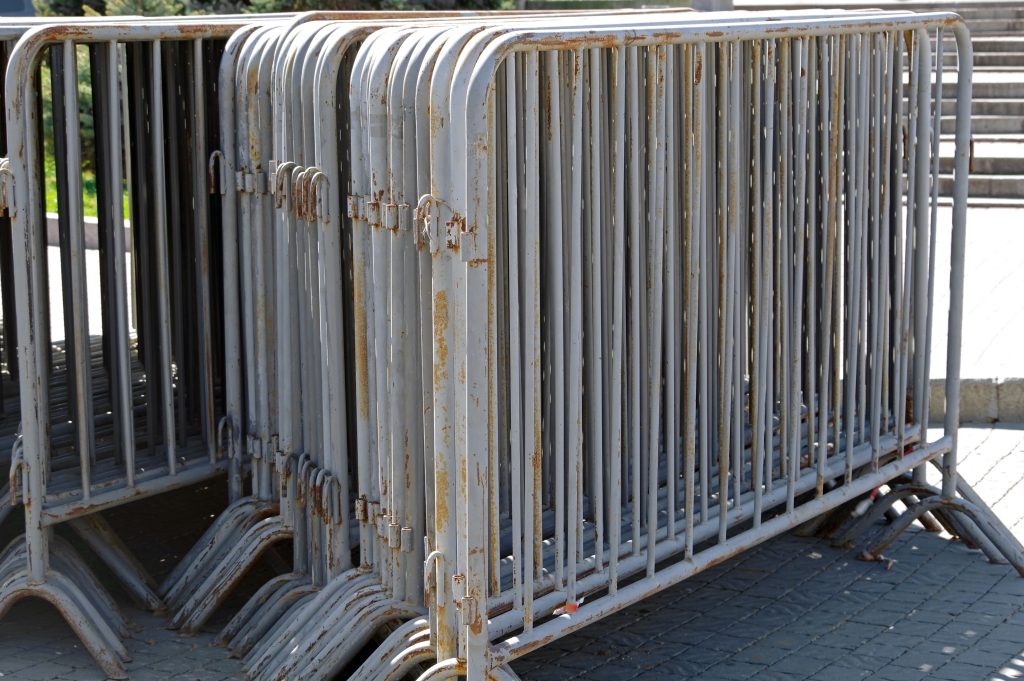
Stronger Sites Start with Smarter Boundaries
Temporary fencing is more than a basic site barrier. It supports safety, improves organisation, protects assets, and helps contractors maintain better control from start to finish. By following a clear checklist, builders can avoid common oversights and create a safer, more efficient working environment.
For contractors looking for reliable temp fencing melbourne solutions or Temporary fencing for sale, Arrow Hire provides practical fencing options to support construction, renovation, and project site needs.